











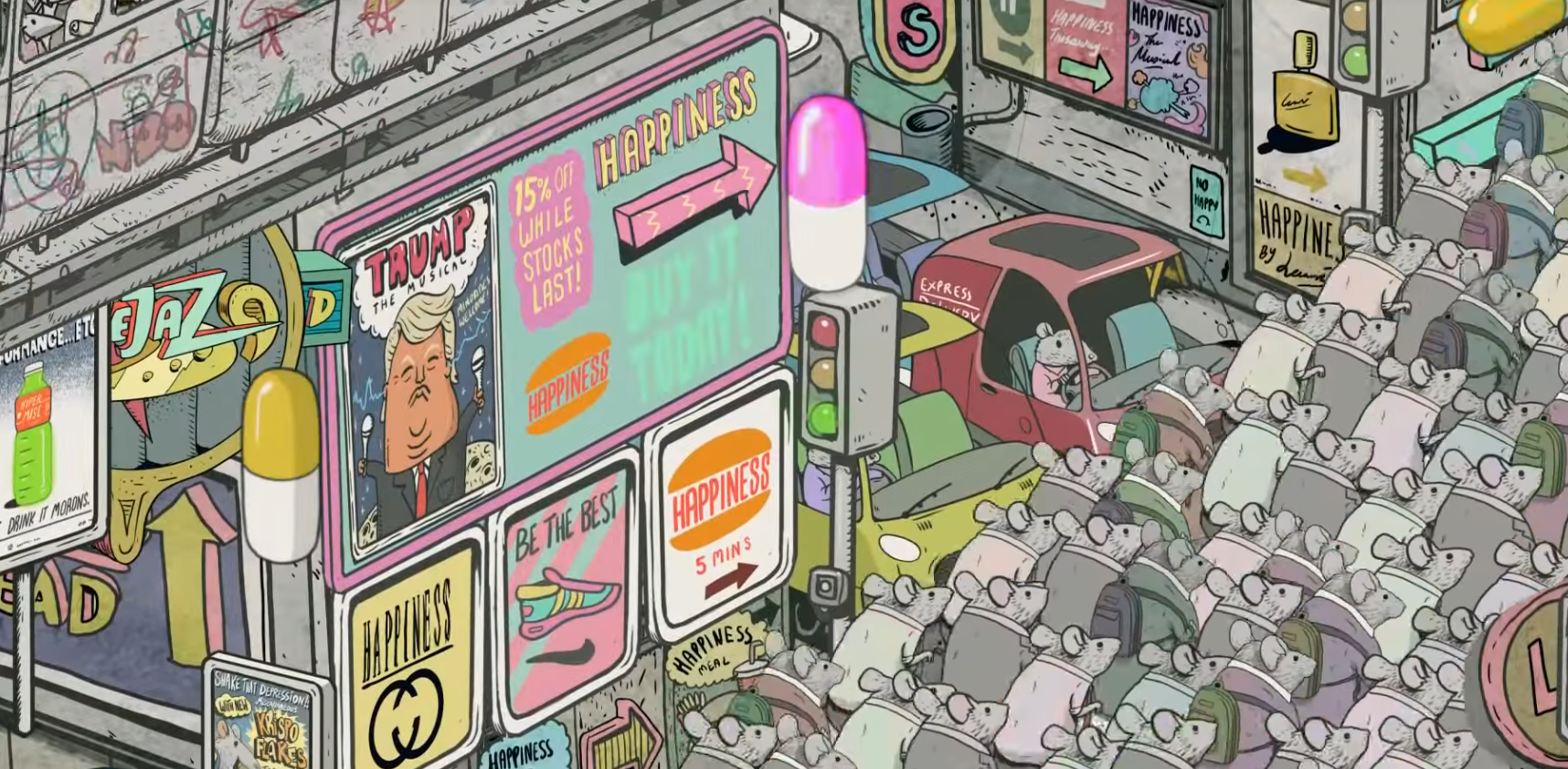




Likes on Facebook are like F&cks. Why I don’t give a lot of them.
If you understood how Facebook likes works, you wouldn’t either.
“Who wants to go eat ice cream? Raise your hand. Let’s see a count of hands. One, two, three…”
That’s the basic concept of a clicking “Like.” That thumbs-up symbol you see at the bottom of a post on Facebook. Just scale the “like” response and counting of hands to that question by around 2 billion people and the business side of the “like” button gets clearer.
What’s not to like about Facebook likes?
By getting you to engage with other people’s content, Facebook’s platform encourages you to express your preference or reveal an emotion (likes, laugher, anger, sadness) that signal how you align around a topic or issue.
And while you may look at it as just self-expression, for social media companies, it’s a method of surveying people in a way that encourages users to self identify themselves and their moods or state of mind to advertisers so they can be profiled for ad targeting.
As Mark Zuckerburg famously said when asked in a Senate hearing, “How do you make money?” by senators…
“Senator, we run ads,” said Zuckerberg.
And this is how those ads sell.
In order to do ad targeting, the data from your responses on Facebook is analyzed by an algorithm (fancy math equations that can identify and learn patterns in data). They take your responses, like your Facebook likes, and, in math terms, think something like this…
“Okay, Bob indicated he likes ice cream. Let’s make Bob available for people who sell ice cream by allowing them to put ice cream ads in his news feed.”
Or the algorithm may think:
“We have other data that shows other habits about people like Bob who like ice cream (they have higher incomes, have a voting preference, buy sugary foods, etc.). Let’s make Bob’s profile and news feed available to receive ads for those criteria as well.
Facebook targeting doesn’t just work based on likes.
Facebook is collecting data on you in many ways. Pulling keywords out of the text that you write for your posts. It uses demographic data like your IP address and where you live. Facebook gets data about you when you are not on Facebook (tracking your web browser movements).
All that factors in. But clicking “like” is the whistle that awakens the content target beast of advertisers. Clicking “like” is like clicking the video for clown eating crackers on YouTube, even if it’s just a one-time thing, you’re going to start seeing more clown eating cracker videos and whatever could possibly be related to that.
Why? Because by clicking “like,” you made an actionable effort to say, this is important enough to express a point of view on it. That’s intent. Intent shows a propensity to take action. And advertisers love when you’re willing to take action on a topic.
So what’s not to like about Facebook likes?
I use Facebook. I tend to think of it as similar to my relationship with physical retailers. Even in a store, retailers are getting information on you, whether you like it or not.
The bank with your credit card will share data around your buying history. If you have a retailer-brand shopper’s card or credit card, they get even more data. Like Facebook’s data collection efforts, a lot of this you can’t avoid and still use commercial products and services. Still, when asked by the clerk ringing me up, I won’t give them my phone number or my ZIP code.
Why? If you are going to put my profile together and not providing me compensatory value or getting my expressed permission, you’re going to have to at least work for it. I’m just not going to give everything you need about me on a silver platter.
On Facebook, clicking a like gives away that game. It says, “this is me. I’m certifying it.”
Me personally, I want a little mystery between me and companies. I don’t want them to think that my decision to purchase their product could be completely explained by an algorithm. Human beings are known for being unpredictable. I want to stay that way.
So I don’t like likes.