





Content + Mindful
Content + Mindful
Log In
Lost your password?
Forgotten Password
Cancel
Content + Mindful
  • Home
  • Content Strategy
  • Content Mindfulness
  • About Me
  • Contact
  • Home
  • Content Strategy
  • Content Mindfulness
  • About Me
  • Contact
  • Content Strategy

    Advertising agency culture. The key to solving racism in the industry.

    June 15, 2020

  • Content Strategy

    The deliciously dangerous and euphoric period of a con game.

    June 23, 2020

  • Content Mindfulness

    Headphones. The condoms of content.

    June 9, 2020

  • Content Strategy

    The power of consistent content. What Facebook’s content lawsuit reveals.

    June 2, 2020

  • Content Strategy

    Businesses have a plan for essential workers. Automate the essential part.

    May 19, 2020

  • Content Mindfulness

    Breathe. You do it to live. Now use it to live better.

    May 12, 2020

  • Content Strategy

    Voice experiences will be the future or the end of your business.

    May 5, 2020

  • Content Mindfulness,Content Strategy

    How Can I Help?

    April 23, 2020

  • Content Strategy

    Working from home? Meet your new boss. Structure.

    April 21, 2020

  • Content Strategy

    The B(r)and is breaking up. How music services like Spotify are killing artist brands.

    April 14, 2020

  • Content Mindfulness,Content Strategy

    Don’t fear, embrace uncertainty. Opportunity waits on the other side.

    April 7, 2020

  • Content Strategy

    Call To Action (CTA) tips

    March 31, 2020

  • Small thinking leads to big things

    Content Mindfulness,Content Strategy

    As careers navigate COVID-19, big wins must start with small thinking.

    March 23, 2020

  • Content Mindfulness

    The gods of technology demand a sacrifice.

    March 17, 2020

  • Content Strategy

    When function follows form. And how content strategy is affected.

    March 10, 2020

  • Content Mindfulness

    Hey kids, want some yummy apps?

    March 3, 2020

  • Content Strategy

    What’s the buzz about buzzwords?

    February 25, 2020

  • Content Strategy

    Genderfication. Why women are woefully scarce in tech firms and tech firm leadership.

    February 18, 2020

  • Content Strategy

    The three types of writers.

    February 11, 2020

  • Content Mindfulness

    Can a minimalist buy a $1,400 iPhone?

    February 4, 2020

  • Content Strategy

    What is Natural Language Processing?

    January 28, 2020

  • Content Mindfulness,Uncategorized

    Health. Wealth. Love. Your three everyday happiness investments.

    January 21, 2020

  • Content Strategy

    Working and consulting in tech in 2020. Five predictions.

    January 15, 2020

  • Content Mindfulness,Content Strategy

    Looking back at 2019 to think forward: Hit Rewind Here.

    December 18, 2019

  • Content Mindfulness

    Looking back at 2019 to think forward: Happiness.

    December 13, 2019

  • Content Strategy

    Looking back at 2019 to think forward: Voice Assistants Killing Brands

    December 10, 2019

  • Content Mindfulness

    Looking back, thinking forward: Fight Club’s 20th Anniversary.

    December 5, 2019

  • Content Strategy

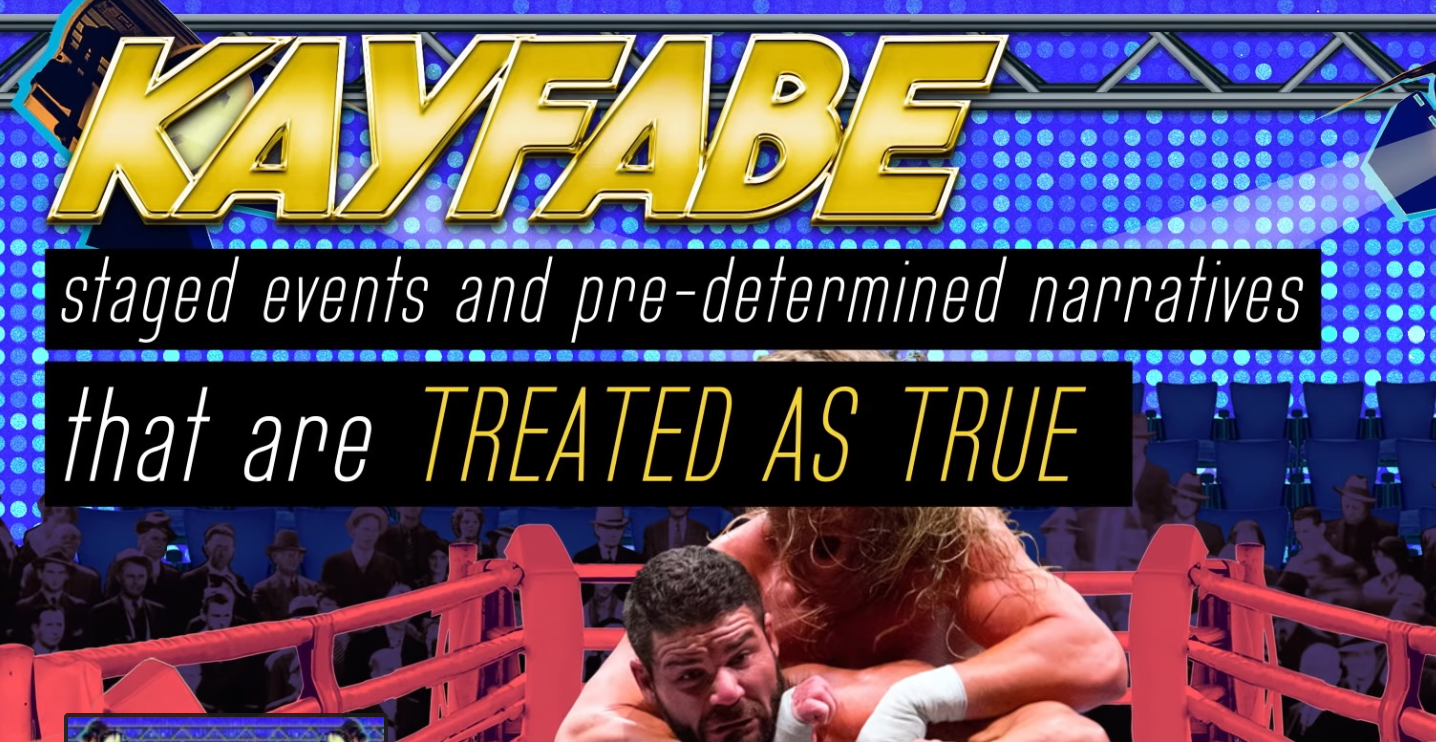
    Looking back, thinking forward: Kayfabe

    December 3, 2019

  • Content Mindfulness

    Why I’ve learned to accept grace.

    November 26, 2019

  • Content Strategy

    The needle in a haystack. Why the need for content strategy is universal and timeless.

    November 19, 2019

Content Mindfulness

Why I avoid wearing logos.

June 20, 2019 by Brooks Richey

I used to work in advertising. Over that time, I have been involved in deals and ad campaigns where celebrities would accept millions of dollars to either wear or be associated with a brand.

Paying to obtain your endorsement? That’s a good deal. Doing it for free? Not so much. Are you paying the brand to be an endorser of their brand? Compared to the celebrity model, that seems downright crazy.

Yet every day, Americans fork over money to brands, sometimes exorbitant amounts of money, for branded products just to have the logo on those products be seen and admired by others.

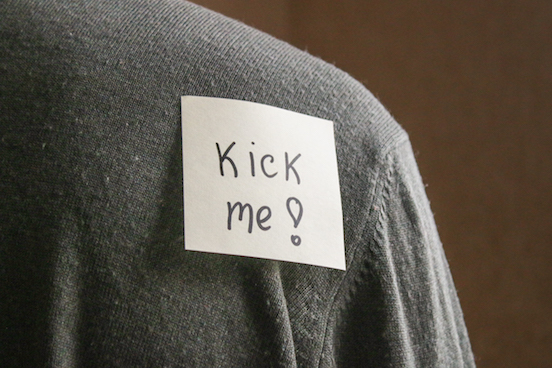
For me, consumers wearing or owning a product just to show off a certain logo or brand has felt somewhat like a bully slapping a “kick me” sign on your back.

An action where the brand gets to control how you present yourself and that you are subservient. With their name on your body or on the products you bought, it literally communicates that you are owned. Not much different than a ranch’s “brand” seared on the body of cattle to show ownership.

Why does this happen?

Because the purchase of branded products have become a form of value signaling. We consciously buy and present the logos on the product we purchase to communicate to others, as Seth Godin famously said, “people like us do things like this.

The logo’s identify is used to signal our own identity.

Of course you can’t always avoid logos.

If you want a laptop that uses the MacOS software, you ‘re going to have a computer with an Apple logo on it. If you buy a car, the manufacturer’s name will be prominent somewhere. Unless you make the car yourself. That’s not the kind of logo control I’m talking about. Logos often come with the items you truly want or need. There’s a Borden logo on the milk I bought at the store for my cereal. I can’t avoid it until I open my own dairy. What I’m talking about is where obtaining identify with the brand becomes more important than access to that particular product itself.

You can get a purse, You have lots of brands, lots of prices and options to choose from. But you HAVE TO buy Chanel. If you don’t, “what would they say about you?” If you do, they might think you are amazing. With such a brand mindset, your sense of self becomes totally dependent on what you buy.

My other problem with logos is when the identity of the logo is often better than the product it’s often attached to. I can’t tell you how many times I’ve seen logos from “high value” brands like Armani plastered on clearly cheaply made T-shirts. The value of that product is not the T-shirt, it’s the name on it. But to that person, the association and value signaling around the brand name are important. So they wear it.

To me, that’s the “kick me” sign on the front, instead of the back.

  • facebook
  • twitter
  • google plus
  • pinterest
  • Previous readingI’m stealing this content strategist’s blog content.
  • Next reading What killed advertising? Initial reports indicate a suicide.
2018. Content and Mindful. All rights reserved.